
Shop sweet BBQ rubs for ribs, pulled pork, and chicken, including brown sugar, honey, cherry, maple, and sweet-heat seasoning blends.







Meat Church Honey Hog BBQ Rub
Sale price$9.99

Meat Church The Gospel All Purpose BBQ Rub
Sale price$9.99

Meat Church Texas Sugar BBQ Rub
Sale price$9.99

Meat Church Honey Bacon BBQ Rub
Sale price$9.99

Meat Church Honey Hog Hot BBQ Rub
Sale price$9.99

Myron Mixon Rubba Dub Rib Rub
Sale price$11.99

Myron Mixon Honey Money Cluck BBQ Seasoning
Sale price$11.99

Myron Mixon Raspberry Chipotle BBQ Rub
Sale price$11.99

Heath Riles Competition BBQ Rub
Sale price$9.99

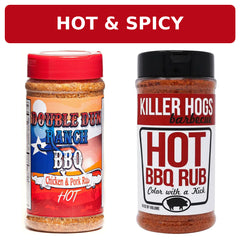
Double Dun Ranch BBQ Chicken & Pork Rub HOT
Sale price$10.99

Tuffy Stone Sweet BBQ Rub
Sale price$6.00
Regular price$10.99

Heath Riles Sweet BBQ Rub
Sale price$9.99

Meat Church Deez Nuts Pecan BBQ Rub
Sale price$9.99

Butcher BBQ Pecan Honey Rub Seasoning
Sale price$10.99

Killer Hogs The BBQ Rub
Sale price$11.00

Killer Hogs Hot BBQ Rub
Sale price$11.00

SuckleBusters Honey BBQ Rub
Sale price$10.99

Tuffy Stone Classic BBQ Rub
Sale price$10.99

Heath Riles Cherry Rub
Sale price$9.99

SuckleBusters Texas Pecan BBQ Rub
Sale price$10.99

Texas Pepper Jelly Rib Seasoning
Sale price$11.99

Kosmos Q Dirty Bird Chicken Rub
Sale price$10.99

Craig’s Blended Honey Seasoning
Sale price$11.99

SuckleBusters Hog Waller Pork Rub
Sale price$10.99
Frequently Asked Questions
Sweet rubs use sugars like brown sugar, turbinado, or honey powder alongside salt, pepper, and gentle chile, which caramelize into a glossy, mahogany bark. They shine on ribs, chicken, and pork, where that sweet, family-friendly finish is what people crave. If you love a sticky, caramelized crust rather than a dry savory one, a sweet rub is the way there.
It can, because sugar caramelizes and then scorches if it gets too hot for too long. The fix is simple: use sweet rubs on indirect or moderate heat, or set up a two-zone fire so the sugar browns instead of blackening. For hot-and-fast direct cooking, choose a lower-sugar rub or save the sweet one for a finishing coat.
A sweet rub leads with sugar and mild spice for a crowd-friendly finish. A sweet-heat rub keeps the sweetness but adds a noticeable chile kick underneath, so you get caramelized bark with warmth on the back end. Pick the straight sweet rub for a mellow crowd and the sweet-heat version when you want that sweet-then-spicy balance.
You can, with attention to heat. A fine-to-medium sweet rub gives chicken beautiful color, but apply it and cook at moderate temperatures so the sugar does not scorch before the skin crisps. Finishing over slightly higher heat crisps the skin, and adding the sweet rub later in the cook is a good trick to protect it. The payoff is glossy, flavorful skin.
A good sweet rub is balanced rather than dessert-like, with salt, pepper, and chile keeping it in check, so it usually pleases savory eaters too. If you want to dial back the sweetness, blend a sweet rub with a savory or all-purpose one to find your ratio. That way you keep the caramelized bark while tuning it toward the savory side.
It depends on the meat and how sweet you like it, but Meat Church Honey Hog, Kosmos Q Killer Bee and Tuffy Stone Sweet BBQ Rub are three of the most-requested sweet rubs at DDR BBQ Supply. Our Top 10 Sweet BBQ Rubs list ranks our favorites with notes on what each one does best.
A binder is optional but helps a sweet rub stick evenly. A thin layer of yellow mustard, oil or hot sauce works; the mustard flavor cooks off. Apply the rub right after the binder so the sugar starts to dissolve into the surface.
Many competition cooks do. A light dusting of the same rub on the bone side before wrapping, plus a little brown sugar, honey or butter, rebuilds the sweetness that softens during the wrap. Unwrap for the last 30 to 60 minutes so the surface can set again.
You can, but most brisket cooks prefer a savory base. A common approach is a salt-and-pepper or beef rub first, then a light layer of sweet rub on top for color. A fully sweet brisket bark can taste closer to burnt ends than Texas-style brisket.
Mix it with a savory or all-purpose rub. Start at one part sweet rub to one part SPG or beef rub, then adjust on the next cook. You keep the color and bark from the sugar but pull the flavor back toward savory.
Recently viewed
Texas-Born. BBQ Bred.
With over 35 years of smoking experience, we started DDR BBQ Supply with a simple goal: to help others cook better barbecue. We've spent decades learning what works and what doesn't, and we apply that knowledge to every product we carry. From high-performance grills and smokers to carefully selected rubs, sauces, and tools, everything we offer is something we believe in and use ourselves. We don’t believe in cutting corners or selling gear we wouldn’t rely on during our own backyard cooks and when we compete in BBQ competitions.