
Lemon Pepper Seasoning: Flavor, Uses and Practical Cooking Tips
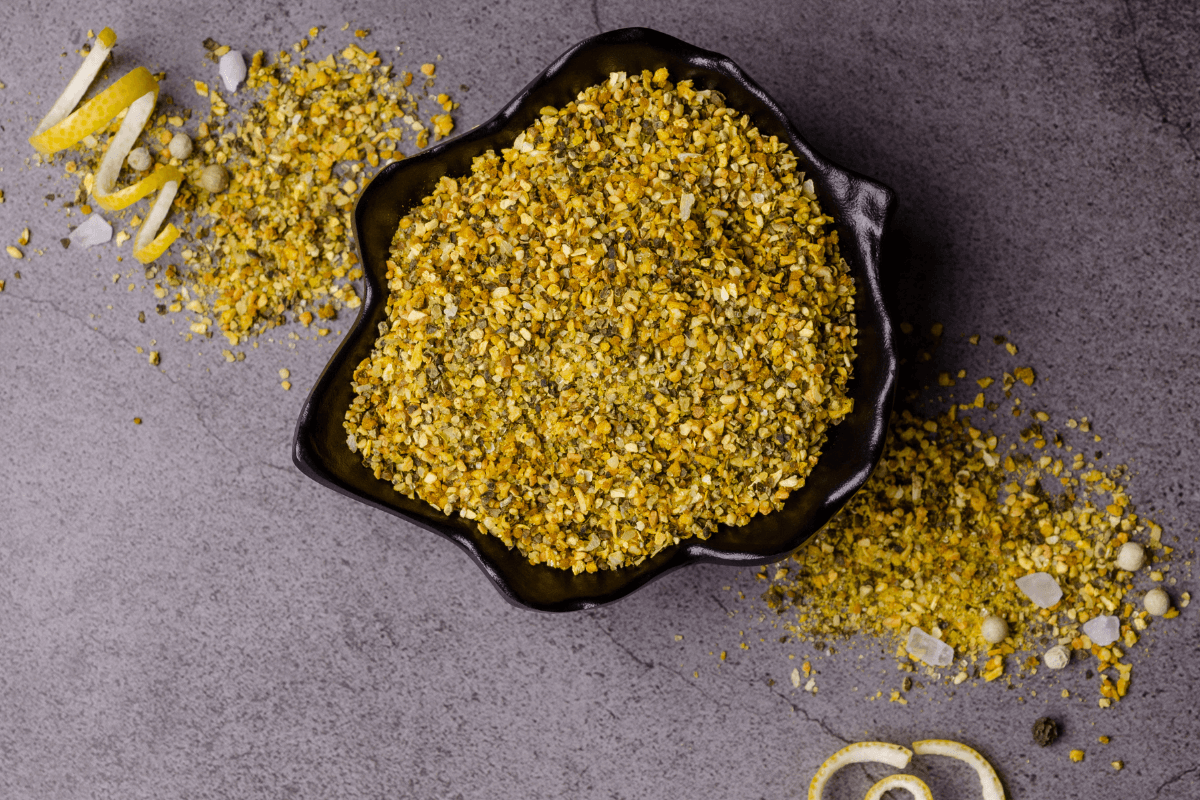
Lemon pepper seasoning combines citrus character with pepper and, in many blends, salt and other savory ingredients. It is useful on chicken, seafood, vegetables and snacks when you want a bright seasoning direction rather than a heavy sweet BBQ profile. The name describes a flavor family, not one fixed formula.
Choose the product by its current ingredient statement and intended application. A general-purpose lemon pepper blend and a wing-finishing dust can serve different roles. This guide explains those roles, how to control the amount you add, and how to troubleshoot a result that tastes too salty or too intense. For a purchasing shortlist, see our store-bought lemon pepper comparison.
What Does Lemon Pepper Seasoning Taste Like?
Expect a citrus-and-pepper direction, but check the specific blend before assuming its intensity. Some products emphasize a mild citrus finish. Others include a more noticeable garlic presence or are intended as a bold finishing dust. Salt, sweetness and the size of the seasoning particles also affect the result.
Lemon aroma, sourness and pepper warmth are separate characteristics. A product can smell distinctly of lemon without tasting like fresh lemon juice. Another may have a stronger tang because its formulation includes an acid ingredient. Read the label and the product description rather than assuming every lemon pepper behaves like a squeezed lemon.
Think of the desired eating experience. On a mild white fish, you may want the food to remain the main flavor. On wings with a strongly flavored side, a more noticeable finishing seasoning may suit your preference. There is no useful universal ranking without considering the food, the amount applied and the rest of the meal.
When trying a new product, begin with a restrained amount. You can assess the cooked food and decide what to change next time. Replacing your familiar blend with an unfamiliar one at an identical heavy coating makes it harder to tell whether the difference is the formulation or simply too much seasoning.
Check Salt, Citrus Ingredients and Intended Application
Start with the ingredient statement. Look for salt, pepper, the lemon or citrus components, garlic and other seasonings. Do not infer dietary suitability from the product name or assume every item from one brand shares the same ingredients. Use the current package and product information for specific requirements.
If you compare nutrition panels, make the serving sizes comparable before interpreting sodium values. A smaller stated serving can make a product look lower in sodium even when that is not a fair comparison of equal quantities. This matters particularly when another rub or brine is already part of the food preparation.
Look for application instructions next. A seasoning listed for hot cooked wings should not automatically be treated like an all-purpose coating for an entire cook. Similarly, an everyday blend may work before cooking, after cooking or both, but the amount still needs to suit the product.
The physical form matters too. A coarse blend and a fine dust do not necessarily distribute in the same way. Shake the container as its instructions direct, and inspect the coverage instead of relying only on how many times the shaker was moved. If particles settle unevenly, the first portion and the last may not look alike.
None of this requires creating a homemade blend. A ready-made product can be convenient precisely because you can identify it, read its guidance and repeat a successful application. Understanding its role helps you use that convenience well.
Where Lemon Pepper Seasoning Fits Naturally
| Food or task | Why consider lemon pepper? | The decision to make first |
|---|---|---|
| Chicken breasts, thighs or wings | A citrus-and-savory alternative to a sweet BBQ direction | Whether the food already contains salt from brining or another seasoning |
| Fish and shrimp | A lighter flavor direction when you want the seafood to remain recognizable | The specific blend's intensity and application guidance |
| Potatoes and grilled vegetables | A way to change familiar savory sides without adding a sauce | How much oil, salt or other seasoning is already present |
| Popcorn and other cooked snacks | A finishing option where little additional cooking is intended | Whether the product is intended for finishing and how it distributes |
| Pork chops or a burger | An alternative to a traditional smoky or sweet flavor profile | Whether citrus suits the sauce and toppings you have chosen |
Use the table as a way to decide, not as a rule that every product belongs on every food. An application you enjoy on wings may be too assertive for a mild fish. Adjust the blend or the amount rather than assuming the whole seasoning category is wrong for seafood.
With already-seasoned foods, begin by identifying what is present. An enhanced or pre-seasoned product may not need the same additional coating as an unseasoned one. The useful question is how much flavor the meal needs, not whether the surface looks as dark as a photograph.
When serving people with different preferences, a suitable finishing seasoning can offer flexibility. Keep it in a clean serving arrangement and identify the product so guests can check the label. Do not promise that a blend is mild for everyone; individual tolerance and the amount used differ.

Should Lemon Pepper Go on Before or After Cooking?
The answer depends on the product. Follow the manufacturer's intended use when it is supplied. A general-purpose seasoning may be applied before cooking, while a finishing dust may be intended for hot food after cooking. There is no benefit in turning those different instructions into one universal rule.
For a seasoning used before cooking, focus on an even coating and manageable heat exposure. Avoid piles of seasoning and keep food away from uncontrolled flare-ups. The goal is to cook the food appropriately while keeping the coating from becoming a scorched layer.
For a finishing product, start with a light application and distribute it before adding more. A thick patch of dust on one wing is not the same as a deliberate increase across the whole serving. Follow the package directions for the product rather than assuming that every finishing blend needs butter, oil or another addition.
If you use a blend in both stages, count the second application as more seasoning. It is easy to forget the first layer when adding a finishing dust. Check the complete food before deciding it needs another salty ingredient. A successful finish is about balance, not merely a stronger aroma.
Cooking equipment does not replace these decisions. A gas grill, charcoal cooker, pellet grill, oven or skillet can all produce different heat exposure. Read the equipment instructions and monitor the food. Do not use a seasoning's color, citrus smell or browned coating as proof of safe doneness.
Keep the flavor question separate from the temperature question. Use the appropriate food-safety guidance and a thermometer for the food being cooked. This seasoning guide does not replace those requirements or recommend a low internal temperature simply to preserve a citrus aroma.
Three Products With Different Useful Roles
The following are current DDR product links. They illustrate application choices rather than claim a controlled taste-test ranking. Check the current listing before buying, particularly if ingredients or dietary requirements are important.
Meat Church Gourmet Lemon Pepper: An Everyday Citrus Direction
Meat Church Gourmet Lemon Pepper Seasoning is currently described by DDR as a mild citrus-and-pepper option for chicken, fish, vegetables and other foods. Consider it when you want one product to use across several ordinary meals instead of buying only for a wing cook.
Its useful role in this guide is versatility. Think about whether you want a seasoning that can move from seafood to vegetables without making the meal feel like a heavily sweet BBQ plate. Check the product's actual guidance before deciding how much to use, and consider the salt already present in each food.
A mild description is not a guarantee that unlimited application will remain balanced. Start with the food and the intended use, then add the blend accordingly. If you have already found an amount you like, record the product name so the result is repeatable.
SuckleBusters Lemon Pepper Garlic: A Garlic-Inclusive Alternative
SuckleBusters Lemon Pepper Garlic BBQ Rub is listed with lemon, black pepper and garlic, with seafood among its intended uses. Consider whether a garlic-inclusive profile fits the rest of the meal before treating it as identical to a simpler lemon-and-pepper idea.
That distinction can help you simplify other additions. If the blend already supplies the garlic direction you want, there may be no need for another garlic seasoning. The decision should come from the complete flavor plan rather than the number of bottles available.
Use the same caution with additional salt. A product selected for its garlic or citrus character can still contain substantial seasoning beyond those two flavors. Read the current package instead of describing it as a salt-free ingredient.

Kosmos Q Lemon Pepper Wing Dust: A Finishing Application
Kosmos Q Lemon Pepper Wing Dust Seasoning is described in the current DDR listing as a dry seasoning applied to cooked hot wings and other suitable foods. That finishing role distinguishes it from assuming every lemon pepper product should spend the entire cook on the food.
Consider it when you specifically want a dry wing finish. Follow its application instructions, distribute the dust and assess the result before increasing the amount. Do not take an estimate of servings per container as an exact instruction for every wing size or every preference.
If you want to compare these products primarily as purchases, use the separate lemon pepper buying guide. Keeping the comparison there lets this article stay focused on understanding flavor and application.
Troubleshoot the Result Before Switching Products
It tastes too salty. Review the whole preparation. Brining, an all-purpose rub, a salty sauce and a finishing dust can overlap. Remove an unnecessary addition on the next cook before concluding that lemon pepper itself cannot work for the food.
It tastes bitter or scorched. Inspect the coating and cooking surface, and consider flare-ups or burned residue. A dark seasoning layer can reflect excessive heat exposure rather than the intended product flavor. Try the product according to its directions with more controlled exposure before adding another heavy finish.
The citrus seems less noticeable after cooking. Check whether the product is fresh enough for your expectations and whether its intended application was followed. A finishing product used through a long cook is a different situation from one used at the end as directed.
The flavor is uneven. Look at particle distribution and the way the seasoning was applied. A fine dust can form patches, and a coarse blend can scatter unevenly. Work on consistent application before increasing the overall amount.
The seasoning overwhelms the food. Start with less next time or choose a blend with a different stated profile. Do not assume that adding sauce will always correct an excessive coating. It may simply create a meal with two competing strong flavors.
The result differs between batches. Check whether the same product, food size, cooking method and application stage were used. A familiar-looking label or a generic phrase such as lemon pepper is not enough to establish that two products are interchangeable.
What Other Flavors Go With Lemon Pepper?
Garlic and savory herb directions can fit a citrus-and-pepper meal, but check whether they are already part of the blend. Begin with a clear reason for the pairing. Are you adding a missing flavor, or repeating an ingredient the seasoning already supplies?
If you prefer a smoky BBQ direction, keep the rest of the meal in view. A heavily seasoned sauce can obscure a lighter citrus character. That may be enjoyable, but it changes what the lemon pepper is contributing. Taste the complete cooked dish before deciding another layer is needed.
Avoid making combinations from full applications of several complete rubs. Start with one main seasoning, then adjust only what the meal needs. This is selection guidance, not a recipe or a ratio for mixing commercial products together.
For a broader way to organize sweet, peppery, savory and citrus choices, see our guide to choosing BBQ rubs by flavor profile. Different meals can justify different choices without declaring one profile universally better.
Store and Handle the Seasoning So It Stays Usable
Follow the package's storage and date guidance. Close the container after use and keep it away from a hot cooker and steam. A seasoning bottle that lives beside the grill faces a different environment from one stored indoors in a suitable cupboard.
Portioning into a clean small container before handling raw food can make preparation easier. It also reduces the need to pick up the main shaker with contaminated hands. Keep the container used during preparation separate from a clean finishing or serving portion.
If the product no longer pours or smells as expected, inspect it according to its instructions rather than applying a larger amount automatically. Do not use aroma alone to override package dates or other signs that a product should not be used.
Write down the exact product when you find a successful application. The most useful note identifies the food, whether seasoning was added before or after cooking, and what you would adjust. That is more reliable than remembering a generic “lemon pepper” coating.

Pro Tips
- Choose a product role first: everyday seasoning, garlic-inclusive blend or a specific finishing dust.
- Count salt from every part of the preparation before adding another complete seasoning.
- Improve distribution before increasing the total amount.
- Follow the finishing product's directions rather than automatically adding it before a long cook.
- Keep a clean serving portion separate from anything handled around raw food.
Shopping List
- Meat Church Gourmet Lemon Pepper Seasoning — an everyday citrus-and-pepper option.
- SuckleBusters Lemon Pepper Garlic BBQ Rub — a garlic-inclusive alternative.
- Kosmos Q Lemon Pepper Wing Dust Seasoning — a finishing option for its intended applications.
Choose for the use you actually have. You do not need three bottles to season one meal. Check the current product pages and package directions for the exact item you select.
Frequently Asked Questions
What foods work well with lemon pepper seasoning?
Chicken, seafood, vegetables, potatoes and suitable cooked snacks are common uses among the products discussed here. Check the particular blend's listed applications rather than assuming identical performance across the entire category.
Is every lemon pepper seasoning spicy?
No single heat description fits every blend. Review the product's current flavor description and ingredient statement. Pepper warmth, added chile ingredients and the amount applied all affect the result.
Does lemon pepper replace fresh lemon juice?
Not automatically. A dry seasoning and lemon juice have different forms and can contribute different flavor characteristics. Choose the seasoning for its stated use instead of treating the two as equal substitutions.
Should I add separate salt with lemon pepper?
Check the blend and the rest of the preparation first. A salted lemon pepper seasoning, brine or other rub may already supply what the food needs.
Can I put wing dust on after cooking?
Use the directions for the specific product. The Kosmos Q product linked here is listed as a finishing dust for hot cooked food. That instruction should not be generalized to every seasoning sold as lemon pepper.
Where can I compare the products before buying?
Use our lemon pepper buying comparison for the purchase decision, then return to this guide for application and troubleshooting.
Shop BBQ Supplies Online or Visit Us in Garfield, Arkansas
DDR BBQ Supply serves backyard cooks and pitmasters throughout Northwest Arkansas and online. Explore our grills and smokers, BBQ rubs and sauces, and cooking accessories for your next cook.
With roots in San Antonio, Texas, we take BBQ seriously—and we’re here to help you cook with confidence. Shop our online BBQ store anytime, or stop by for personal advice and a closer look at the gear.
Visit us at our retail store: 14696 US Hwy 62, Garfield, AR 72732
Store hours: Tuesday–Saturday, 10 AM–6 PM
Call us: 479-330-1114
Get directions to our Northwest Arkansas BBQ store
Better Gear. Better BBQ.™

